

By Stefan Agopsowicz, Head of Energy at Blackfinch Energy
The Government’s proposed cut to electricity VAT is, first and foremost, a welcome boost for UK households. From October, consumers could see around £45 removed from the annualised Ofgem price cap, easing some of the pressure on energy bills.
However, the cost-savings for households is just small part of the wider picture when it comes to the UK’s energy system.
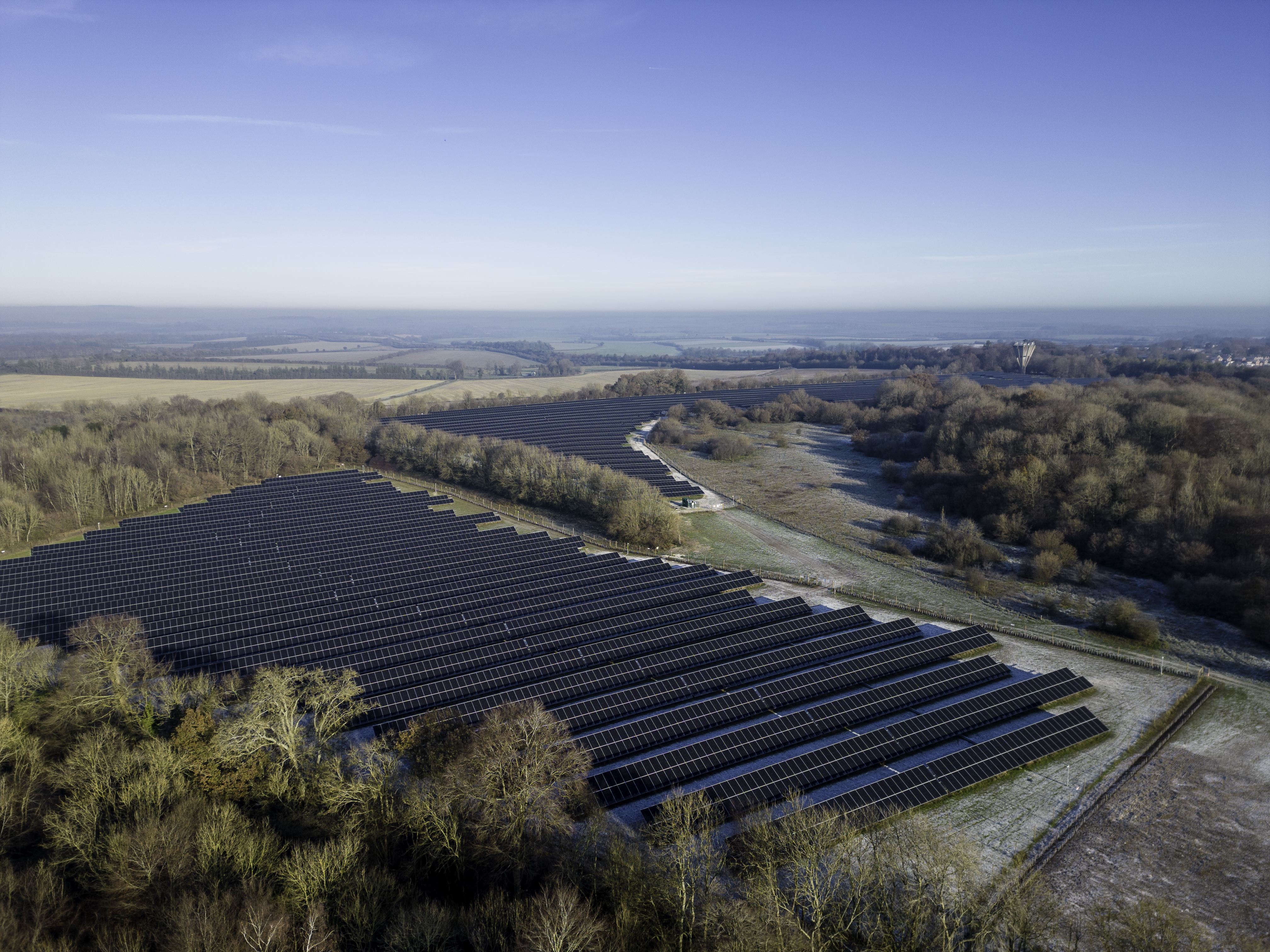
Cheaper electricity could support the move towards electric vehicles, heat pumps and other low-carbon technologies. Over time, that has the potential to increase electricity demand and the need for the renewable power and infrastructure provided by generators such as Sedgwick.
For Blackfinch Energy, this is the story worth watching. The VAT change may be small in its own right, but if it can be ultimately sustained beyond the initial six months, it represents one more step towards a more electrified economy. An economy that will require more renewable power, better infrastructure and experienced operators able to adapt as demand patterns and energy use change.
Let’s first look at what these changes mean for UK households.
From 1st October 2026, VAT on qualifying domestic electricity supplies is expected to fall from 5% to 0%. The Government estimates that this will reduce the annualised Ofgem price cap by around £45. The reduction is expected to run for six months, until 1st April 2027.
For households, the benefit is simple: lower electricity bills at a time when many are still feeling the pressure. That is where the immediate story ends and the more interesting one begins.
Electricity suppliers are expected to pass the VAT saving on to consumers, including those on fixed tariffs. So, the measure is unlikely to provide suppliers with a direct financial benefit. Its wider value lies in what cheaper electricity could encourage further down the road.
Lower running costs improve the case for switching from petrol and diesel vehicles to electric alternatives, or from gas boilers to heat pumps. This is particularly relevant alongside measures such as the Electric Car Grant, which offers up to £3,750 towards eligible new electric cars, and the Warm Homes Plan, which aims to increase annual heat-pump installations to more than 450,000 by 2030.
These policies address different sides of the same challenge. Grants help with the upfront cost of new technology, while cheaper electricity makes it more attractive to use over the long term.
The Climate Change Committee has specifically recommended making electricity cheaper to help accelerate electrification. It has highlighted the potential benefits of reducing the UK’s reliance on fossil fuels, including greater energy security, lower emissions and less exposure to global oil and gas price shocks.
And this is the crux of the story.
As more homes, vehicles and businesses move from fossil fuels to electricity, demand for power has the potential to grow. That, in turn, could increase the need for renewable generation, energy storage, grid capacity and the infrastructure required to support a more electrified economy.
But the direction of travel is clear. If the UK is to electrify more of its transport, heating and industry, it will need the renewable power to support that transition.
For Blackfinch Energy, this reinforces the long-term importance of renewable generation.
We continue to support renewable energy assets across the UK, and these assets can help meet changing demand as the country’s energy system becomes more electrified.
The VAT cut itself may be temporary, but the shift it supports is much longer term.
As consumer behaviour, technology and energy policy evolve, the need for well-managed renewable assets and resilient infrastructure is likely to become increasingly important. That is where Blackfinch Energy remains focused: supporting the generation and infrastructure that can help households, businesses and communities thrive in a cleaner, more secure energy future.